Research
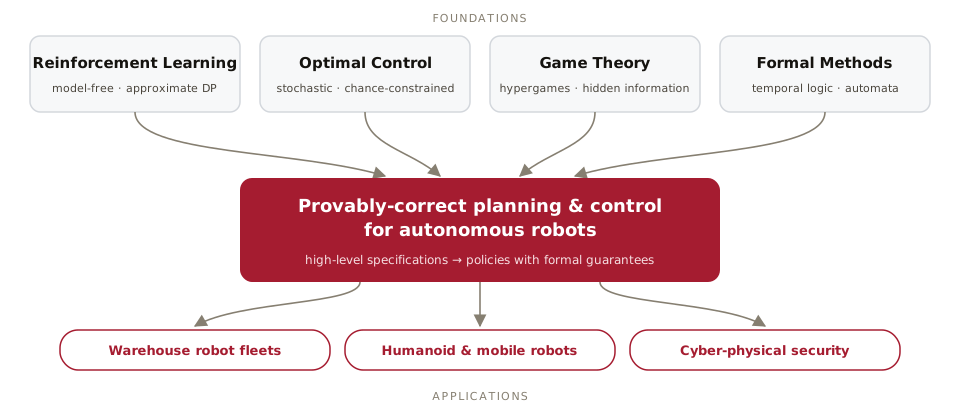
My research combines reinforcement learning, stochastic optimal control, game theory, and formal methods to synthesize robot policies under high-level task specifications, with formal guarantees under stated model assumptions. My industry work focuses on production motion planning, control, state estimation, and teleoperation for warehouse robots. These are complementary parts of my experience; the production systems are not claimed to implement the formally guaranteed research methods.
Projects
Learning-based Planning with Temporal Logic Constraints
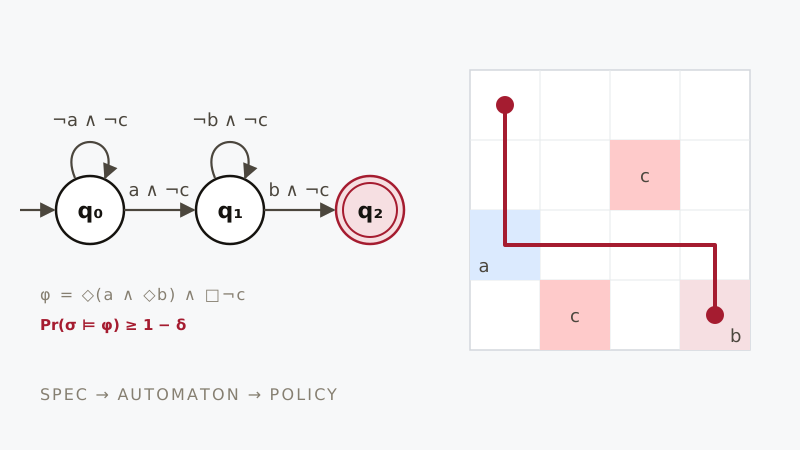
Model-free reinforcement learning for stochastic planning under temporal logic constraints, using PCTL chance constraints and topological approximate dynamic programming.
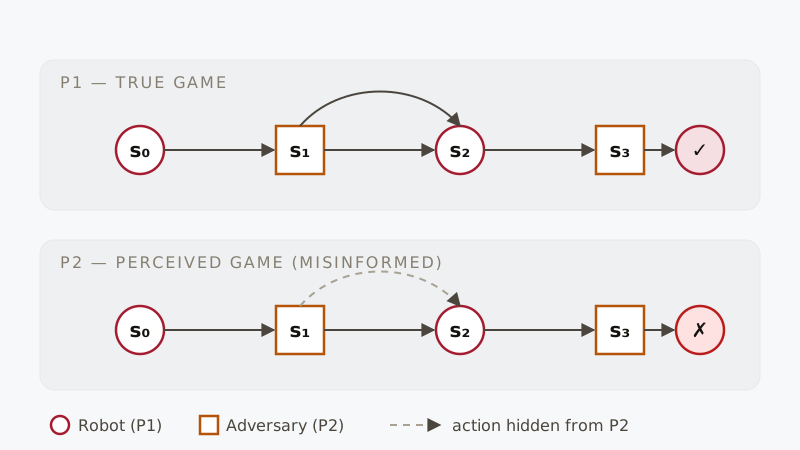
Formal Methods and Game Theory for Cyber-Physical Security
Hypergame-theoretic framework for synthesizing deceptive strategies in adversarial environments, with applications to security in cyber-physical systems.
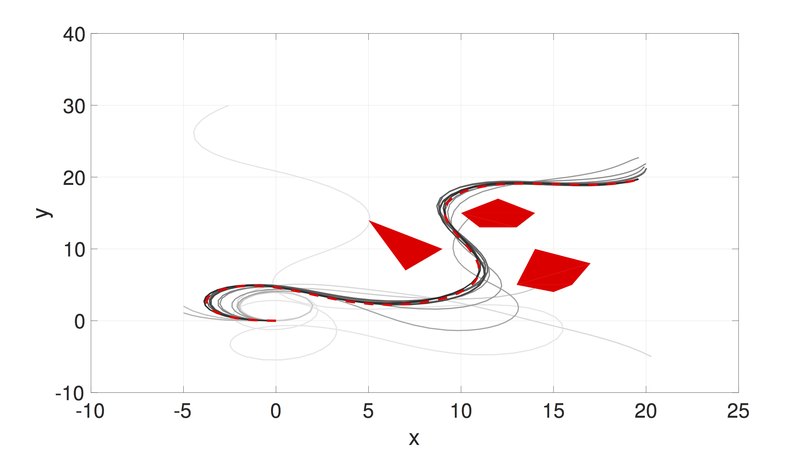
Anytime Planning via Function Approximation and Importance Sampling
Scalable anytime motion planning using function approximation and importance sampling, with support for parallel and cloud-accelerated computation.
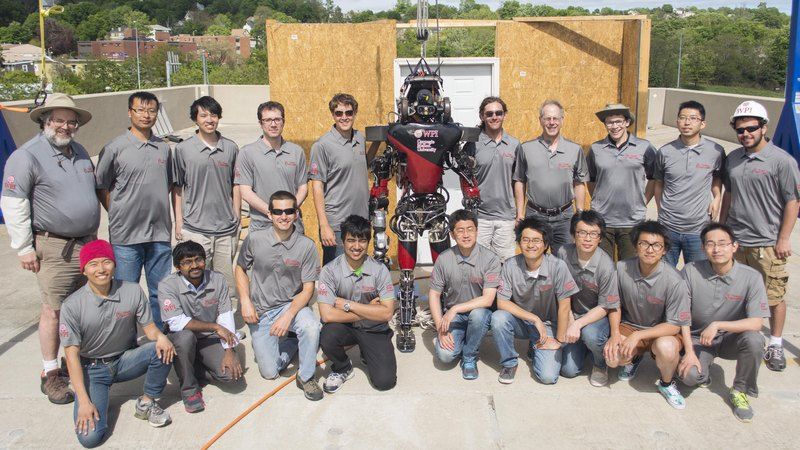
DARPA Robotics Challenge
Arm-manipulation motion planning and human-robot interaction for Team WPI-CMU’s Atlas humanoid in the DARPA Robotics Challenge.
Funding
Research I have contributed to has been supported by: